Short hair can absolutely wear extensions—but the wrong method is what creates visible bonds, harsh lines, or a bulky “shelf” where the natural hair ends. The best extension system for short hair is usually the one that distributes weight lightly, places attachment points lower and deeper in the head, and blends through a strong perimeter rather than adding maximum volume.
For most short cuts (bob, lob, pixie with length on top, or layered chin-length styles), the top performers are tape-ins, hand-tied/weft systems, keratin I-tip/K-tip methods, and hybrid combinations. Clip-ins are useful occasionally, but they are rarely the best choice for very short hair because the clips need enough natural hair to anchor securely.
If you want to know how to put hair in short hair, could click this link: How to Put in Hair Extensions in Short Hair
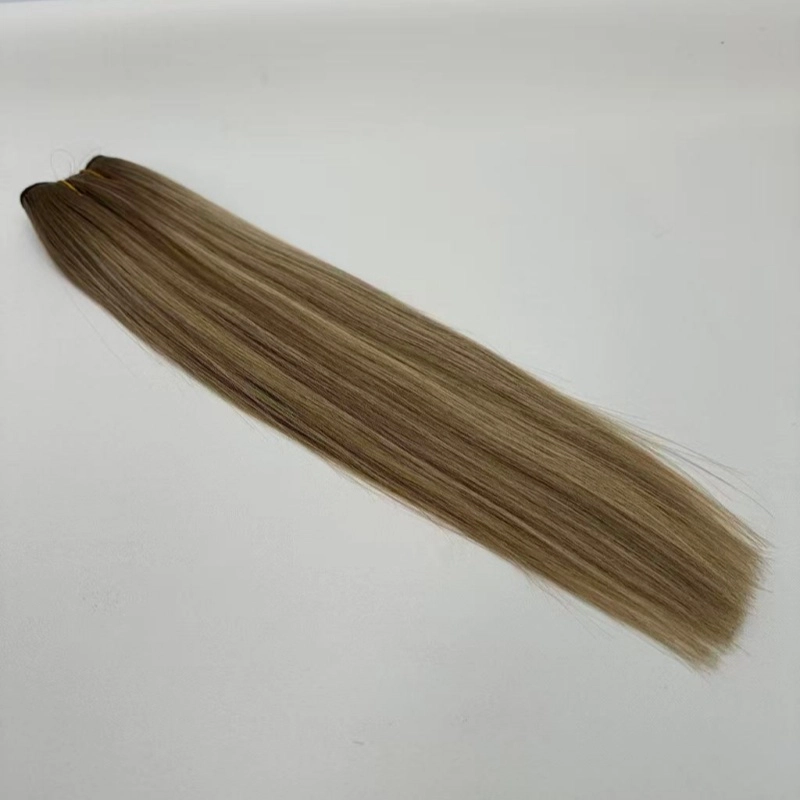
Picture shown double drawn short hair extensions
| Extension Type | Best For | Ideal Natural Length | Visibility Risk on Short Hair | Typical Wear Time |
|---|---|---|---|---|
| Tape-In Extensions | Bobs, lobs, fine hair, natural blending | 3–5 in (7–13 cm) | Low–Medium (depends on placement) | 6–8 weeks per install |
| Hand-Tied / Invisible Weft | Density + length with strong blending | 4–6 in (10–15 cm) | Low when layered correctly | 6–10 weeks per move-up |
| Keratin K-Tip / I-Tip | Very short or highly layered cuts needing precise placement | 3–4 in (7–10 cm) | Lowest when expertly installed | 3–5 months (maintenance varies) |
| Micro Ring Weft | Medium density, reusable systems | 4–5 in (10–13 cm) | Medium on very fine short hair | 6–8 weeks maintenance |
| Clip-In Extensions | Occasional styling only | 5–6+ in (13–15+ cm) | High on very short hair | Daily removable |
If you only remember one thing
For most short-hair clients, tape-ins are the safest first recommendation; hand-tied/weft systems are the best upgrade when more density and length are needed; K-tip/I-tip methods are the specialist solution for very short, heavily layered, or high-visibility haircuts where attachment concealment is the main challenge.
Many people assume that adding extensions to short hair is simply a matter of choosing the right extension type. In reality, the success of a short-hair transformation depends much more on haircut structure, weight distribution, and blending techniques than on the extension method itself. Short hair provides less natural coverage, making any installation mistakes easier to detect. This is why experienced extension specialists often consider short-hair applications more challenging than working with medium or long hair.
The perimeter line refers to the bottom edge of the natural haircut, especially in blunt bobs, lobs, and one-length cuts. Unlike layered hairstyles, blunt cuts create a strong horizontal line where the natural hair ends.
When extensions are added, the natural hair may stop abruptly while the extensions continue downward, creating a visible “shelf” or step effect. This is one of the most common reasons extensions look unnatural on short hair.
For example, a chin-length bob being extended to shoulder length may reveal a noticeable line where the natural hair ends if the stylist does not properly blend the haircut. To avoid this issue, stylists often use:
The shorter and blunter the haircut, the more important blending becomes.
Long hair naturally acts as a curtain that covers extension attachment points. Short hair does not have this advantage.
In short hairstyles, the crown and parting areas contain less hair to conceal:
Even a small placement mistake can become visible when the client changes their part, wears their hair up, or tucks it behind the ears.
This is especially challenging for clients with:
For these clients, extension placement must be highly customized. Professional stylists often create “safe zones” where attachments remain hidden regardless of movement. In many cases, fewer extension pieces placed strategically produce a more natural result than a full-head installation.
One of the biggest misconceptions about extensions is that more hair automatically creates a better transformation.
With short hair, excessive weight can actually create several problems:
Short hair lacks the internal support structure that longer hair provides. When heavy extensions are attached to shorter strands, the natural hair may struggle to support the additional weight.
Imagine attaching 200g of extensions to a fine chin-length bob. The result often looks bulky near the roots while appearing disconnected from the natural hair. Instead of creating seamless volume, the extensions can look heavy and artificial.
This is why many professional stylists prefer lightweight installations for short hair.
For most short-hair clients, an installation weight between 40g and 120g delivers the most natural result.
| Hair Type | Recommended Weight |
|---|---|
| Fine Hair | 40–60g |
| Medium Density Hair | 60–100g |
| Thick Hair | 100–120g |
| Major Length Transformation | 120–150g (carefully planned) |
A lighter installation offers several advantages:
Many successful short-hair transformations use surprisingly little hair. The goal is not to create maximum volume but to create a seamless transition between the client’s natural hair and the extensions.
Professional extension artists often say:
“Extensions don’t create the final look—the haircut does.”
Even premium extensions can look obvious if the natural haircut is not properly blended. Conversely, a well-executed haircut combined with moderate extension density can produce an incredibly natural transformation.
For short hair, the most successful installations focus on:
This is why extending short hair is often considered an advanced extension service. The goal is not simply to add length, but to create the illusion that the hair naturally grows that way. When done correctly, nobody notices the extensions—they only notice beautiful, fuller, longer hair.
Why they work:
Best candidates:
Watch-outs
Learn related product, please click this link: Emeda Tape Ins Brazilian Human Hair Extensions 100gram Wholesale
Why they work:
Best candidates:
Watch-outs:
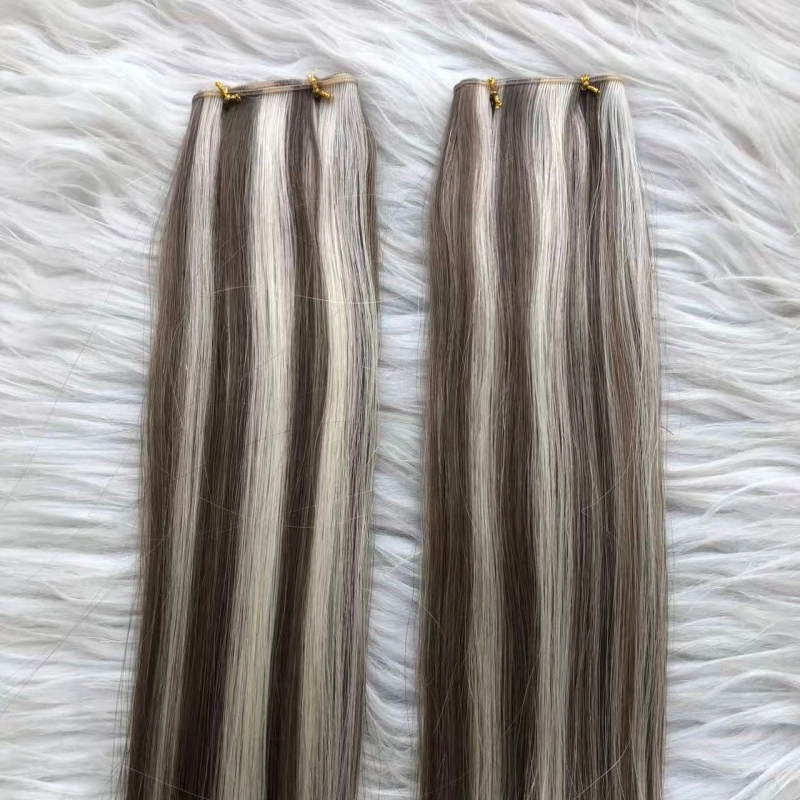
Picture show piano color genius weft
Why they work:
Best candidates:
Watch-outs
Learn related product, please click this link: Emeda Cuticle Aligned Pre Bonded Flat Tip Hair Extensions Wholesale
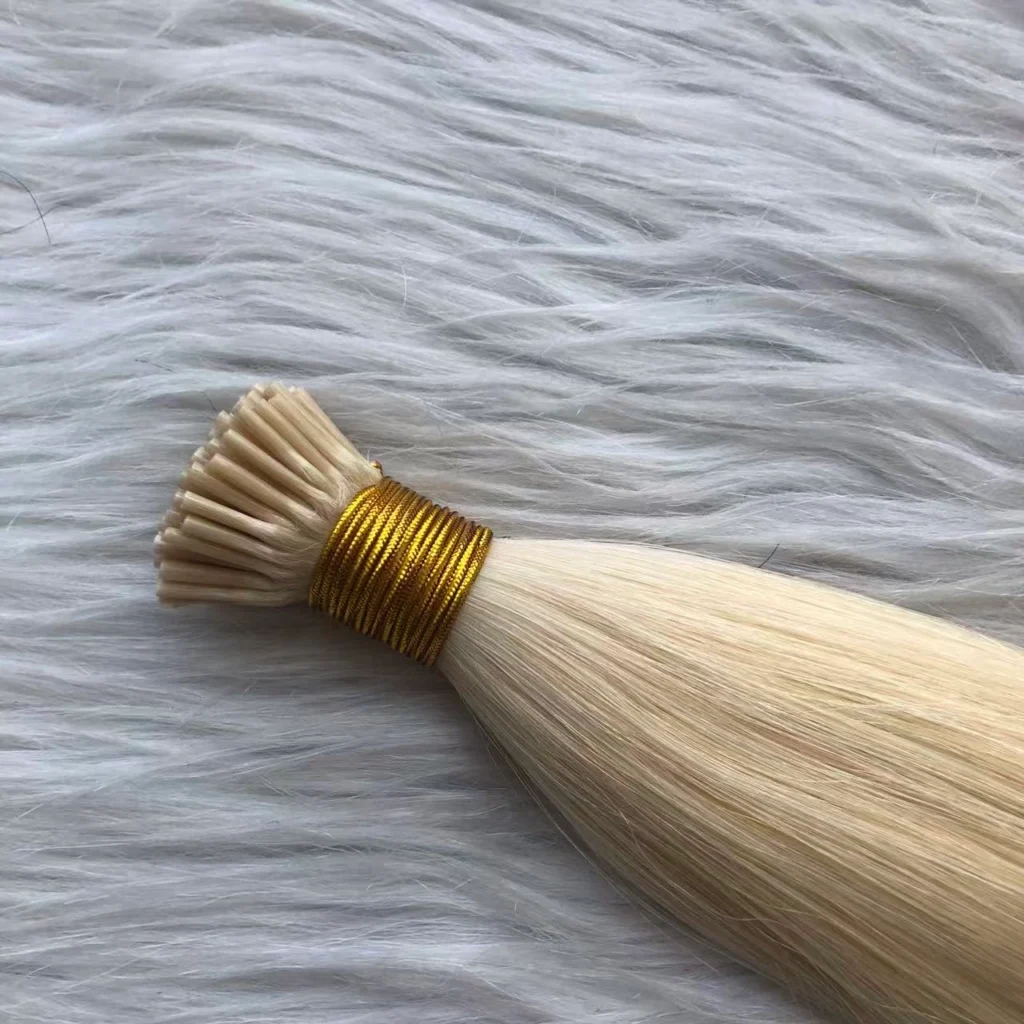
Picture shown keratin I tip hair extensions
Clip-ins are popular online, but for short hair specifically they are often overrated.
Learn related product, please click this link: Emeda High Quality Clip-In Hair Extensions Virgin Hair 14-26″ Wholesale
Use clip-ins only when:
For very short, fine, or blunt cuts, clip-ins usually create the most visible attachment points.
For short hair, blending is a haircut problem first and an extension problem second.
Ask the stylist to:
A useful salon benchmark
If the client can still wear a low ponytail, tuck behind the ears, and move the part slightly without exposing attachments, the blend is usually successful.
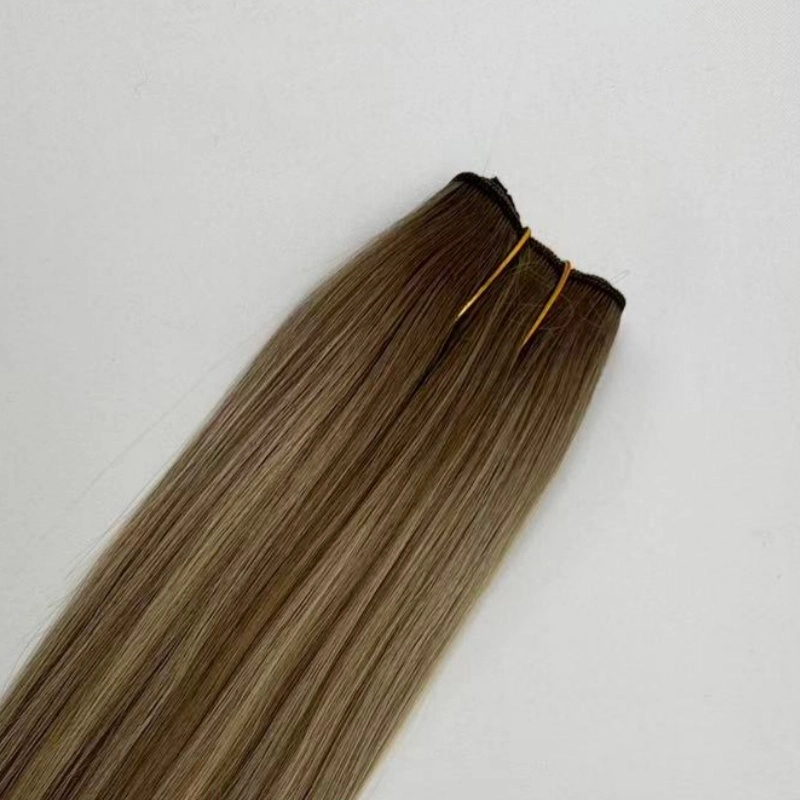
Picture shown balayage color halo in hair extensions
| Natural Hair Length | Safest Extension Length Increase | Risk Level |
|---|---|---|
| 3–4 in (7–10 cm) | +2–3 in (5–7.5 cm) | High — specialist placement needed |
| 4–5 in (10–13 cm) | +3–5 in (7.5–13 cm) | Moderate |
| 5–7 in (13–18 cm) | +4–8 in (10–20 cm) | Low–Moderate |
| 7+ in (18+ cm) | Most standard extension lengths | Lower |
Trying to jump from a very short bob to waist-length hair in one session is where visibility problems become common.
For salon buyers and distributors, short-hair extension installs often use smaller, more customized bundles than long-hair transformations. That changes the economics: you may use fewer grams, but you need consistent color matching, thin tape tabs, and reliable cuticle alignment to keep blends invisible.
In the current B2B market, wholesale pricing is usually driven by hair origin/grade, length, weight per pack, texture processing, and order volume. The ranges below are representative industry ranges for professional-grade 100% human hair extensions, not retail prices.
| Product Category | Common Pack Weight | Typical Wholesale Range (USD/pack) | Typical Short-Hair Use |
|---|---|---|---|
| Tape-In Extensions | 20–50 g | $18–$65 | 1–3 packs for volume, 3–6 for length |
| Hand-Tied / Invisible Weft | 50–100 g | $45–$160 | 1–2 rows in many bob/lob installs |
| Machine Weft | 80–120 g | $35–$120 | Budget-conscious density installs |
| K-Tip / I-Tip Extensions | 25–50 strands or 25–50 g | $25–$90 | Perimeter, sides, and precision blending zones |
Buying note: A short-hair transformation that only adds moderate length often needs less total hair weight than a dramatic long-hair makeover. Many salons overspend by ordering 150–200 g when 60–120 g would have blended more naturally and reduced tension.
Suppliers frequently quote different tiers for sample orders, stylist packs, salon bundles, and distributor volumes. The table below shows a realistic pricing framework for professional-grade Remy human hair extensions used in short-hair services.
| Order Size | Tape-In (40 g pack) | Invisible Weft (80 g pack) | K-Tip (50 g pack) |
|---|---|---|---|
| 1–9 packs | $28–$48 | $85–$140 | $38–$68 |
| 10–49 packs | $24–$42 | $72–$125 | $34–$60 |
| 50–199 packs | $20–$36 | $60–$110 | $30–$52 |
| 200+ packs | $18–$32 | $52–$95 | $26–$46 |
Important: Actual quotes depend on hair origin, color level, texture, packaging, private labeling, and payment/shipping terms. Use these numbers as planning benchmarks rather than fixed market prices.
When evaluating suppliers for short-hair extension services, the requirements are stricter than for long-hair installs. The attachment area is more exposed, weight distribution matters more, and color transitions have to be cleaner because there is less natural length available to hide mistakes.
Lean more information of Emeda hair factory, please refer this link. About us
Emeda is often selected by salon buyers for short-hair programs because the product mix aligns with those constraints:
| What short-hair stylists need | Why it matters | What to look for from Emeda |
|---|---|---|
| Thin, flexible tape tabs | Reduces visible bulk near the perimeter and crown | Professional tape-in lines designed for flat lay and re-taping |
| Lightweight customization | Short hair usually blends best with 40–120 g, not heavy full-head sets | Multiple pack weights and lengths that can be combined without overloading the hair |
| Cuticle-aligned Remy human hair | Maintains movement and reduces tangling in shorter layered cuts | Remy-focused sourcing with salon-oriented processing |
| Invisible weft options | Allows density and length while keeping the row flatter than traditional bulky tracks | Invisible/flat weft product families for modern row techniques |
| Consistent color inventory | Short bobs expose color mismatches more easily than long hair | Expanded natural shades, rooted shades, and balayage-style blends |
| OEM/private label support | Useful for salons building their own extension brand | Custom packaging, labeling, and wholesale program support |
For salon economics, the biggest advantage is usually not the lowest pack price. It is the ability to order the right weight, color blend, and attachment format for a short-hair install without excessive customization labor. A lighter, flatter install that blends on the first appointment is often more profitable than a cheaper heavy set that requires extra cutting, repositioning, or early maintenance visits.
A practical starter program for short-hair clients
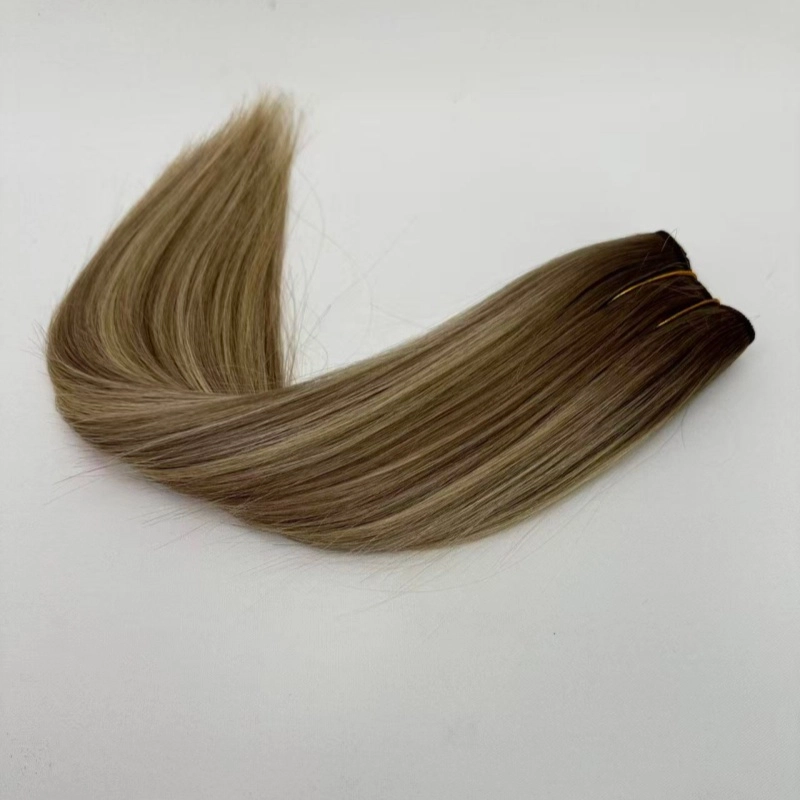
Picture shown short length hair extension
Final recommendation
If your goal is a result that survives real-world wear—ear tucks, ponytails, part changes, and grow-out—the deciding factor is flat placement, conservative weight, and expert blending, not simply the longest or heaviest extension set available.
Dont hesitate to Contact EMEDA Hair Factory:
👉WhatsApp: +8618562611500
👉Email: sales11@emedahair.com