
In today’s global beauty and hair industry, wigs are no longer niche products limited to medical use. They have become an essential part of fashion, personal image management, and professional styling.As a professional human hair manufacturer, Emeda has spent years working closely with salons, distributors, and end users worldwide. Through this experience, one truth is clear: choosing the right wig requires more than visual appeal. It demands a deep understanding of materials, construction, fit, density, durability, and maintenance. This guide explains how to choose a wig correctly, using technical data and professional standards to help consumers and buyers make informed decisions.
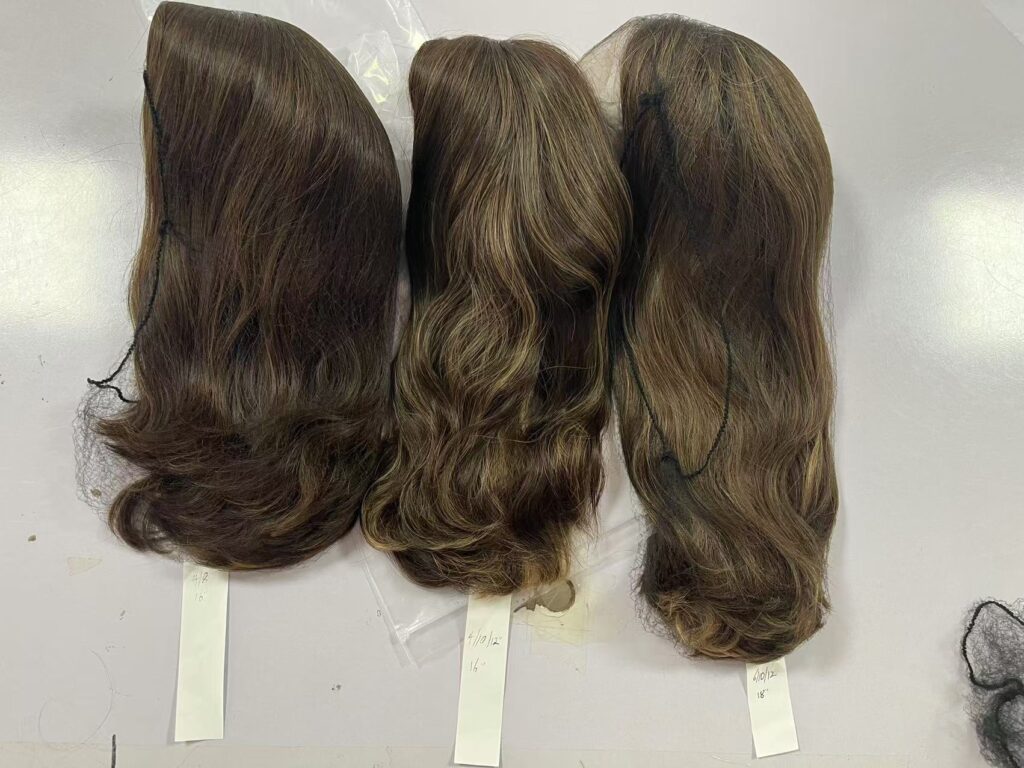
The first and most important step in choosing a wig is understanding its intended purpose. Different use cases require different performance standards, and selecting the wrong type often leads to discomfort, poor durability, or dissatisfaction.
Wigs are commonly used for medical hair loss caused by alopecia, chemotherapy, hormonal changes, or postpartum shedding. In these cases, scalp sensitivity, breathability, and lightweight construction are critical. Fashion wigs, on the other hand, prioritize styling versatility, density, and color variety. Professional performers, influencers, and models often require wigs that withstand frequent heat styling, washing, and restyling.
Industry data shows that approximately 40% of wig buyers purchase for medical reasons, while over 50% purchase wigs primarily for fashion and aesthetic flexibility. Understanding this distinction helps narrow down the appropriate hair type, cap structure, and budget range before moving forward.
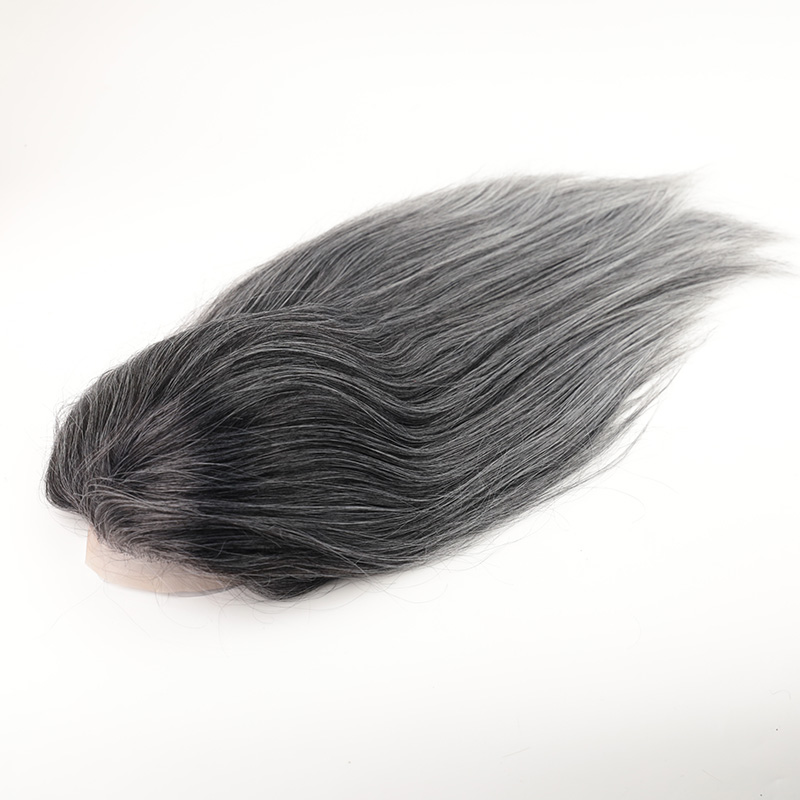
Wig material directly affects realism, lifespan, styling freedom, and overall value. This decision should be made carefully, as it determines long-term satisfaction.
Human hair wigs are widely regarded as the premium option due to their natural appearance and superior performance. They move, shine, and respond to styling exactly like natural hair. Learn more related products: 14inch-24inch #4/8 Color European Virgin Human Hair Lace Top Wig Wholesale
| Item | Specification |
|---|---|
| Brand | Emeda============================== |
| Product Type | Human Hair Wig |
| Hair Material | 100% Human Hair |
| Hair Grade | Virgin Hair / Remy Hair |
| Cuticle Direction | Fully aligned |
| Processing | Virgin: No chemical processing Remy: Light processing |
| Heat Resistance | Up to 230°C / 450°F |
| Dye & Style | Can be dyed, bleached, curled, straightened |
| Cap Construction | Lace Front (13×4 / 13×6), Full Lace, Mono Top, Machine Cap |
| Lace Type | Swiss Lace / HD Lace |
| Wig Size | Small (21–21.5″), Medium (22–22.5″), Large (23–23.5″) |
| Adjustment | Adjustable straps (±1 inch) |
| Hair Density | 120%, 130–150%, 180%, 200% |
| Hair Length | 8–30 inches (±0.5 inch) |
| Hair Texture | Straight, Body Wave, Loose Wave, Deep Wave, Curly, Kinky Curly |
| Hair Color | Natural Black, #1B, #2, #4, Blonde (#613/#60/#22), Custom Color |
| Shedding | < 1% per wash |
| Tangling | Minimal with proper care |
| Lifespan | Virgin Hair: 24–36 months Remy Hair: 12–24 months |
| Recommended Care | Wash every 7–10 wears, sulfate-free products |
| MOQ | 1 piece (Retail & Wholesale) |
| OEM / ODM | Supported |
| Packaging | PVC bag / Custom box |
| Lead Time | 7–15 working days |
| Shipping | DHL, FedEx, UPS, Air, Sea |
There are three primary categories of human hair used in wigs:
Virgin hair is unprocessed hair with intact cuticles aligned in one direction. It offers the longest lifespan, often 2 to 3 years with proper care, and maintains softness and strength after repeated washing and styling.
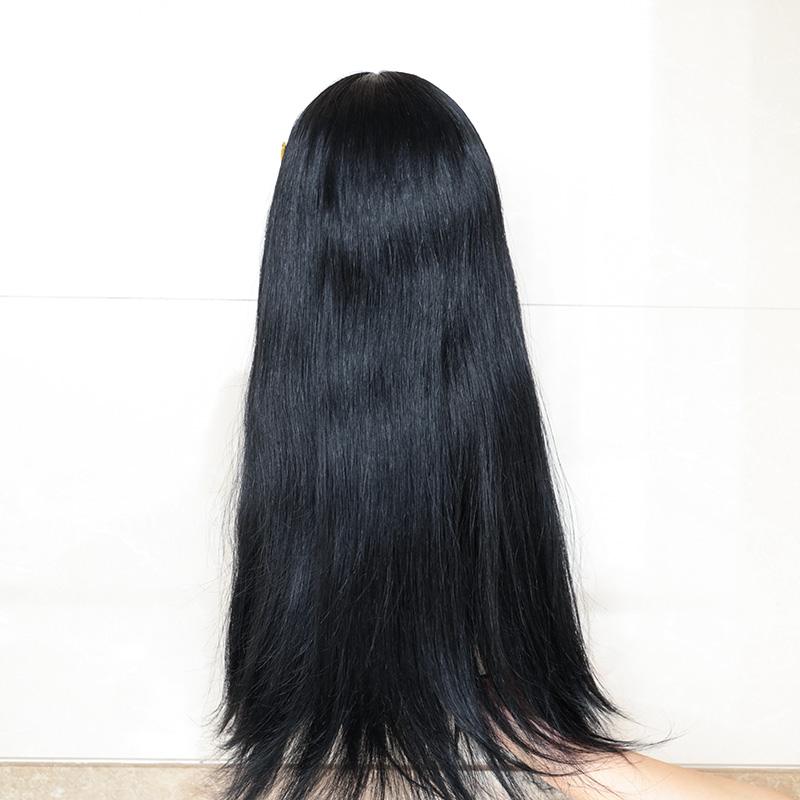
Remy hair also has aligned cuticles but may undergo light processing. Its average lifespan ranges from 12 to 24 months, making it a popular balance between quality and cost.
Non-Remy hair has mixed cuticle directions, increasing the likelihood of tangling. While more affordable, it generally lasts 3 to 6 months and is less suitable for long-term wear.
Professional-grade human hair wigs can tolerate heat up to 230°C (450°F), allowing full freedom to straighten, curl, or color. Studies show that wigs made from high-cuticle-integrity hair experience over 60% less tangling compared to low-grade alternatives.
Synthetic wigs are manufactured using advanced fibers such as Kanekalon or heat-resistant polyester. They are pre-styled, lightweight, and cost-effective, making them suitable for beginners or occasional wear.
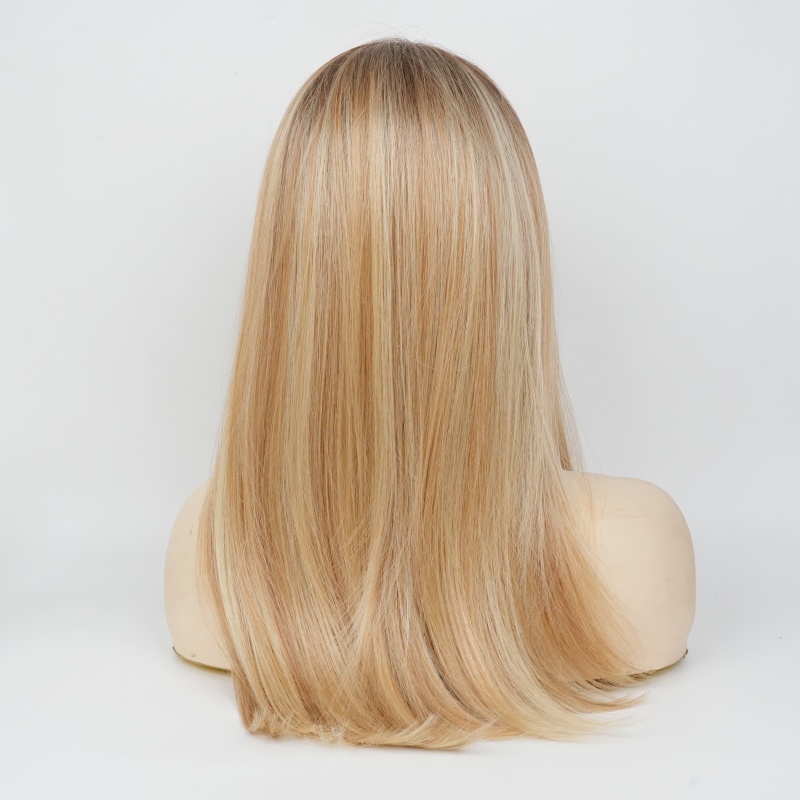
Standard synthetic wigs are not heat-safe, while heat-friendly versions can withstand temperatures between 120°C and 180°C. Their average lifespan is 4 to 8 months, depending on usage frequency and care.
Synthetic wigs are approximately 20–30% lighter than human hair wigs, which can improve comfort but limits styling versatility. While modern fibers have improved realism, they still lack the natural movement and longevity of human hair.
The cap construction determines how a wig fits, how natural it looks on the scalp, and how comfortable it feels during extended wear. This is especially important for daily users.
Lace front wigs feature lace at the front hairline, typically 13 inches ear to ear, creating a realistic hairline appearance. They allow off-the-face styling and are widely used for both medical and fashion purposes. Learn more related products. Learn more related content: How to Make a Full Cap Wig Look Natural
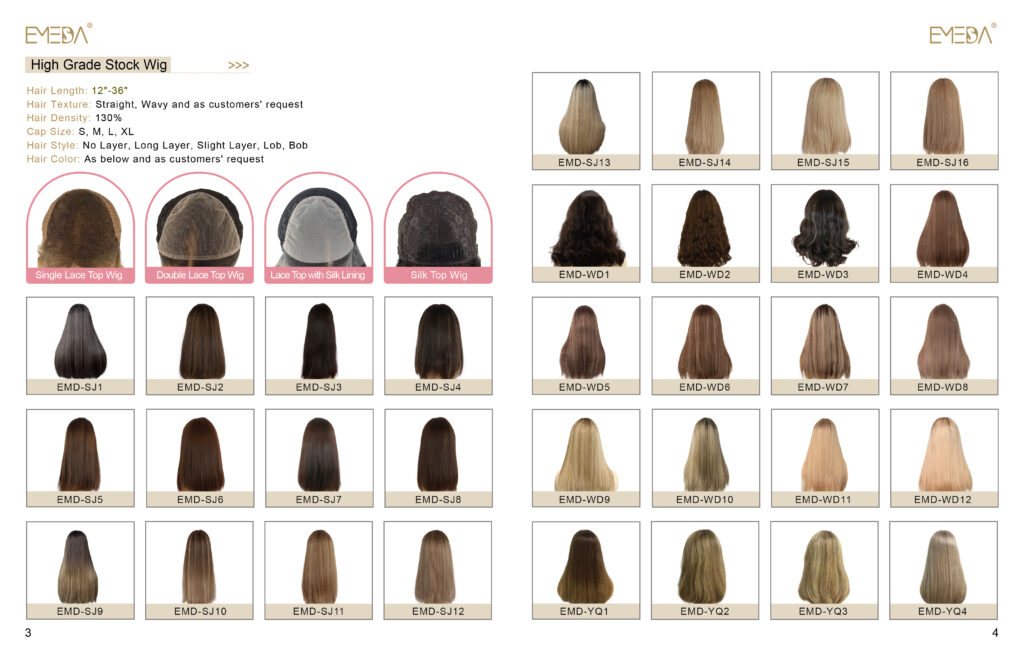
Full lace wigs are constructed entirely of lace, offering the highest level of styling freedom, including ponytails and updos. They are lightweight, breathable, and highly realistic, though they require more skill to install and maintain.
Monofilament top wigs use hand-tied construction at the crown, simulating natural hair growth and parting. They are particularly suitable for thinning hair and sensitive scalps.
Machine-made caps are the most durable and affordable option. While less realistic in parting, they offer stability and longevity, making them suitable for short-term or budget-focused use.
Consumer surveys show that lace-based constructions score over 85% in comfort and realism satisfaction, significantly higher than traditional machine caps.
Proper sizing is essential for comfort, security, and a natural appearance. A wig that is too tight can cause headaches, while one that is too loose may slip during wear.
The average adult head circumference falls between 22 and 22.5 inches (56–57 cm), classified as medium size. Small sizes range from 21 to 21.5 inches, while large sizes measure 23 inches or more.
Industry data indicates that over 95% of wigs sold worldwide are medium size, often equipped with adjustable straps that allow up to 1 inch of flexibility for a customized fit.
Wig density refers to how much hair is used relative to the scalp area. While higher density creates a fuller look, it is not always more natural.
Natural human hair density averages 100–120%. Wigs with 130–150% density offer a balanced, everyday appearance suitable for most wearers. Higher densities such as 180% or 200% are often chosen for glamorous styles, photography, or stage performance.
Excessive density can increase weight and reduce breathability, which is why professional brands like Emeda carefully balance density with comfort and realism during production.
Wig length significantly impacts both appearance and maintenance requirements. Short wigs between 8 and 12 inches are easy to manage and highly durable. Medium lengths from 14 to 18 inches offer versatility, while long wigs exceeding 20 inches require additional hair volume and care.
Long wigs use approximately 30–40% more raw hair material, increasing both cost and maintenance time.
Texture selection also plays a critical role. Straight textures require the least maintenance, while curly and kinky textures provide volume and realism but require consistent hydration and detangling to maintain shape and prevent dryness.
Color selection influences not only appearance but also longevity. Natural shades such as natural black and dark brown last longer because they undergo minimal chemical processing.
Blonde, gray, and pastel colors require bleaching, which can reduce hair strength by 15–25%. Custom coloring is best performed on high-quality virgin hair to preserve durability.
Professional data shows that darker-colored wigs retain softness and shine 20–30% longer than heavily lightened alternatives.

Maintenance directly affects how long a wig lasts. Human hair wigs should be washed every 7 to 10 wears using sulfate-free shampoo, followed by deep conditioning every 3 to 4 weeks.
With proper care:
Virgin human hair wigs last 2–3 years
Remy hair wigs last 1–2 years
Synthetic wigs last 4–8 months
Neglecting proper maintenance can reduce lifespan by more than 40%, regardless of initial quality. Learn more related content: Best Natural Looking Wigs For Caucasian
Wig pricing varies significantly based on material and construction. Synthetic wigs typically range from $30 to $150, while Remy human hair wigs range from $200 to $600. Virgin human hair wigs often exceed $600, reaching $1,500 or more for premium custom pieces.
However, cost-per-wear analysis shows that a high-quality human hair wig worn over two years often costs less per day than repeatedly replacing low-quality alternatives.
Choosing a wig is a technical and personal decision that combines material science, craftsmanship, aesthetics, and lifestyle compatibility. A well-chosen wig provides not only beauty but also confidence, comfort, and long-term value.
At Emeda, we specialize in premium human hair solutions, offering virgin and Remy hair wigs engineered with precise density control, advanced lace technology, and strict quality standards. Whether for medical wear, everyday elegance, or professional styling, understanding how to choose the right wig ensures that every investment delivers lasting satisfaction.
A wig is not just hair—it is a reflection of identity, professionalism, and self-expression. Choosing wisely makes all the difference.
For more information or to place an order, please contact us: