
Invisible weft hair extensions have become increasingly popular among professional hairstylists, salons, hair extension specialists, and wholesale buyers. Designed to create a natural-looking blend between the client’s natural hair and the added extensions, invisible wefts offer a discreet attachment method, a comfortable wearing experience, and excellent styling versatility.
Unlike traditional machine wefts, invisible weft hair extensions are designed with a slim, flat attachment area that helps the hair lie closer to the scalp. Depending on the construction, some invisible wefts feature fine, flexible seams or specially designed attachment points that minimize bulk and make the connection less noticeable. When installed correctly, the extensions can blend seamlessly with natural hair, even when the client wears a variety of hairstyles.
For salons and hair businesses, invisible weft extensions offer an attractive solution for clients seeking additional volume, length, and a natural finish. However, achieving a beautiful result depends on choosing the right hair quality, selecting an appropriate installation method, preparing the natural hair properly, and following professional installation and maintenance procedures.
In this guide, we will explain how to install invisible weft hair extensions step by step, compare different installation techniques, discuss maintenance and common mistakes, and explore wholesale pricing for salons and distributors.
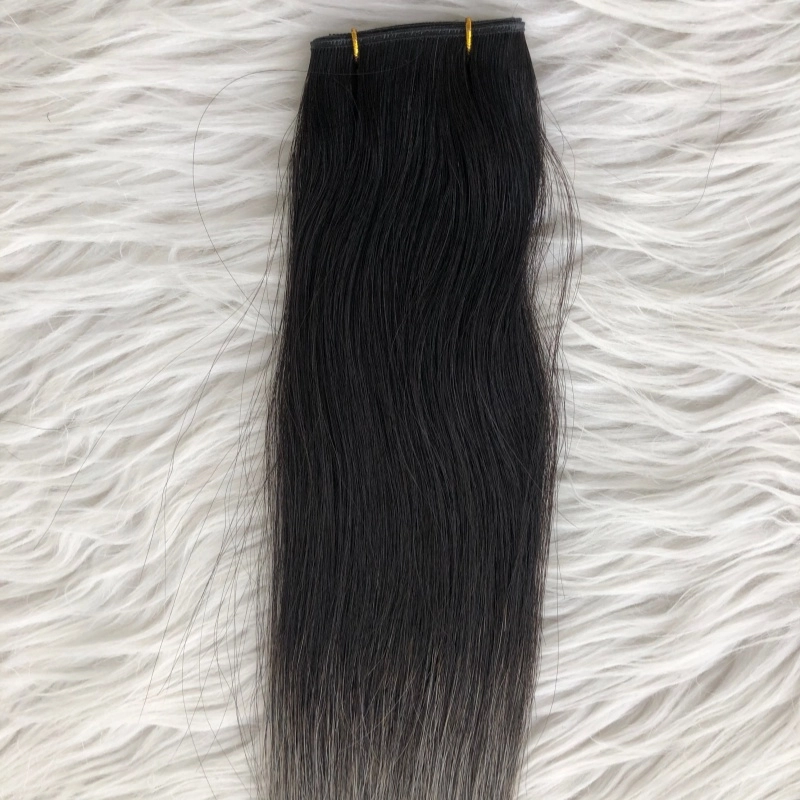
Picture shown invisible genius weft natural and seamless.
Before learning the installation process, it is important to understand the main benefits of invisible weft hair extensions.
One of the biggest advantages of invisible weft extensions is their low-profile construction. The attachment area is designed to sit relatively flat against the head, helping reduce visible bulk beneath the natural hair.
When the correct color, length, and installation placement are selected, the extensions can blend naturally with the client’s own hair. This makes them suitable for clients who want fuller hair without an obvious extension line.
Invisible wefts can distribute added hair across a row rather than concentrating all the weight in a few individual attachment points. A properly designed weft and professionally installed row can provide a comfortable wearing experience.
Nevertheless, comfort depends on the weight of the extensions, the client’s natural hair density, the number of rows, and the installation tension. Lightweight hair and appropriate sectioning are essential, particularly for clients with fine or fragile hair.
Depending on the placement and the client’s natural hair coverage, invisible weft extensions can support a range of hairstyles, including straight styles, soft waves, curls, and layered looks.
Professional installation helps keep the attachment points concealed while allowing the hair to move naturally. Extremely high ponytails or hairstyles that expose the attachment area may require additional consideration during placement.
Invisible weft extensions are a practical option for salons looking to expand their hair extension services. They can be offered in different lengths, colors, textures, and weights to meet the needs of clients with different styling goals.
For distributors and private-label brands, consistent hair quality, reliable manufacturing, and flexible customization are also important considerations when selecting a supplier.
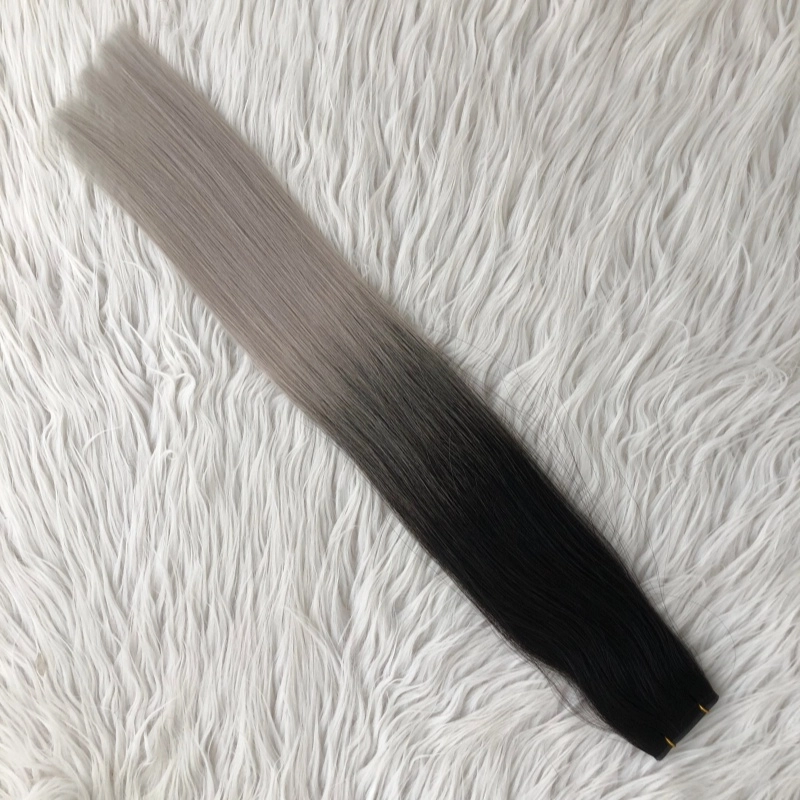
Picture shown human hair double drawn invisible genius weft
Prepare all necessary tools before beginning the installation. Having the right equipment helps improve accuracy, reduce installation time, and create a more professional result.
| Tool or Material | Purpose |
|---|---|
| Professional tail comb | Creates clean, precise sections |
| Sectioning clips | Keeps natural hair organized |
| Measuring tape | Measures the required weft length |
| Invisible weft extensions | Adds length and volume |
| Professional extension thread and needle | Secures the weft in compatible sew-in methods |
| Beads or rings, if required | Creates anchor points for compatible installation methods |
| Professional bead-closing pliers | Closes suitable extension beads |
| Hair-cutting scissors | Trims the weft or blends the finished style when appropriate |
| Hair clips and styling tools | Helps control and finish the hairstyle |
| Mirror and comb | Supports final inspection and blending |
Important: Not every invisible weft uses the same attachment technique. Some are designed for beaded sew-in installation, while other products may support different professional methods. Always follow the manufacturer’s installation instructions and use compatible tools and materials.
The following guide describes a common professional beaded sew-in method for compatible invisible weft products. Exact procedures may vary according to the weft construction and the manufacturer’s instructions.
Begin with a consultation to understand the client’s desired length, volume, color, lifestyle, and styling habits.
Examine the scalp and natural hair density, paying particular attention to fragile areas, existing breakage, thinning, and the hairline. Determine whether the client’s natural hair can safely support the proposed amount of extension hair.
Clients with significant hair loss, scalp irritation, or very fragile hair may need an alternative method or advice from a qualified hair professional.
Discuss the following details before installation:
A thorough consultation helps avoid excessive weight, poor color matching, and unrealistic expectations.
Clean the natural hair using a suitable shampoo to remove excess oil, styling products, and residue. Avoid heavy conditioners or oily products at the roots, as these may interfere with the grip of certain attachment systems.
Dry the hair completely before installation. Detangle it gently, then inspect the scalp and natural hair once again.
Clean, dry hair makes it easier to create neat sections and helps the stylist position the extensions accurately.
Choose an extension color that blends with the client’s natural hair, particularly through the mid-lengths and ends.
For clients with highlighted or multi-tonal hair, a single solid shade may not create the most natural result. Consider rooted colors, balayage shades, or mixed-color wefts when available.
Texture matching is equally important. Straight extensions may not blend well with naturally curly hair unless the client is willing to style the hair regularly.
Before installation, compare the weft with the client’s hair under suitable lighting. If the color is uncertain, confirm it with physical samples or clear color photographs.
Use a tail comb to create a neat horizontal parting in the appropriate installation area. Secure the remaining hair with sectioning clips.
The row should be positioned where sufficient natural hair can cover the attachment points. Avoid placing a row too close to the hairline, temples, or other areas where the attachment may become exposed.
The placement and number of rows should be determined by the client’s head shape, natural hair density, desired volume, and the weight of the extensions.
For fine hair, fewer and lighter rows may be more appropriate. Thicker natural hair may accommodate a different distribution, provided the weight remains comfortable and the installation is secure.
For a compatible beaded sew-in method, the stylist creates an appropriate anchor row using small extension beads or rings.
Separate the natural hair into small, consistent sections and position each bead according to the product manufacturer’s instructions. The sections should be even enough to distribute the weight without placing excessive tension on individual strands.
Close the beads securely using the correct professional tool, ensuring they are neither too loose nor excessively tight.
The anchor row should feel comfortable and lie neatly against the head. If the client experiences pain, pulling, or excessive tension, adjust the installation before proceeding.
Professional tip: Avoid using too much natural hair in one anchor point or creating overly tight attachment points. Poor tension management can contribute to discomfort, breakage, and traction-related hair loss.
Measure the horizontal section to determine the required weft length. Allow for the specific construction of the product and follow the manufacturer’s guidance when trimming.
Some wefts can be cut at suitable points, while others require special handling to prevent shedding or damage. Do not assume every invisible weft can be cut anywhere along the seam.
If the product requires sealing or a particular finishing method after cutting, follow the manufacturer’s instructions.
Before attaching the weft, check the color, length, weight, and overall condition to ensure it matches the consultation requirements.
Position the weft along the prepared anchor row, ensuring that it sits flat and follows the natural curve of the head.
For a compatible sew-in method, use professional extension thread and a suitable needle to secure the weft to the anchor row. Keep the stitching consistent and distribute the weight evenly.
Avoid stitching too tightly, pulling the weft excessively, or creating bulky overlaps. The finished row should feel stable without putting unnecessary stress on the natural hair.
If the particular invisible weft uses another attachment system, follow its designated procedure rather than applying a generic sew-in method.
Once the weft is attached, examine the row carefully.
Check that:
Ask the client how the row feels. A secure installation should not cause sharp pain, persistent pulling, or significant discomfort.
If any attachment point is too tight or poorly positioned, correct it before moving to the next row.
If more length or volume is needed, repeat the sectioning and attachment process in suitable areas.
Leave enough natural hair between rows to provide coverage and movement. The distance between rows should depend on the client’s hair density, head shape, weft design, and the manufacturer’s recommendations.
Do not add unnecessary rows simply to maximize volume. Excessive weight may increase the risk of natural hair damage, especially for clients with fine or weakened hair.
After installation, gently detangle the hair and check how the extensions blend with the natural hair.
A professional stylist may use layering, point cutting, or other appropriate techniques to soften the transition between the client’s hair and the extensions.
Style the hair according to the client’s preferences. Use suitable heat protection before applying hot tools and avoid excessive heat, particularly near the attachment area.
Finally, inspect the hairstyle from different angles to ensure the wefts remain concealed and the finished look is balanced.
Explain how the client should wash, brush, dry, and style the extensions at home.
Recommend gentle detangling, appropriate hair care products, and regular professional maintenance. The client should also understand that invisible weft extensions require periodic inspection and adjustment as natural hair grows.
Before the client leaves, schedule a suitable maintenance appointment based on the installation method, the manufacturer’s instructions, and the client’s hair growth.
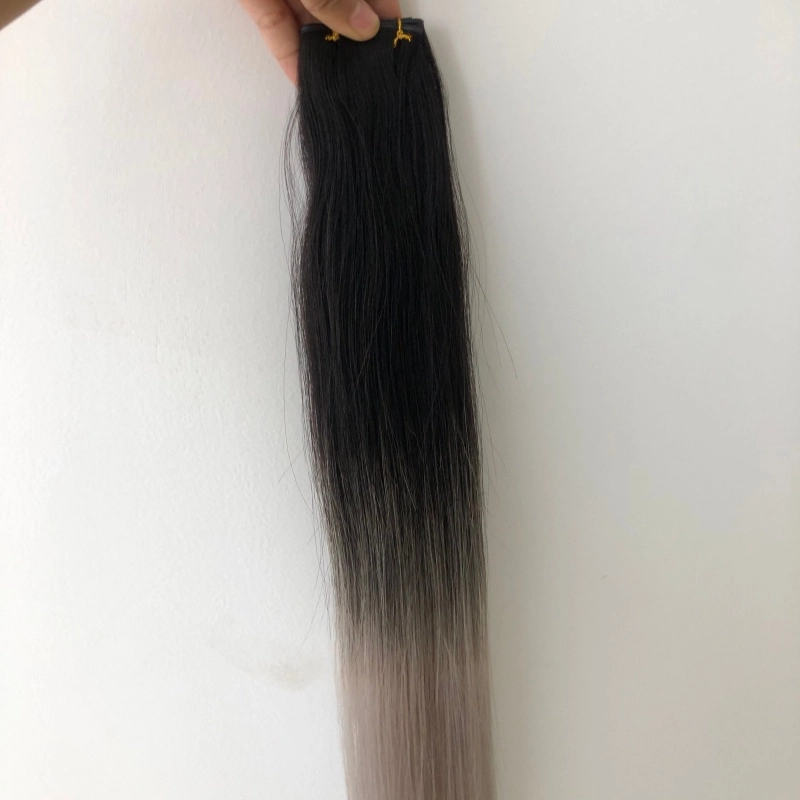
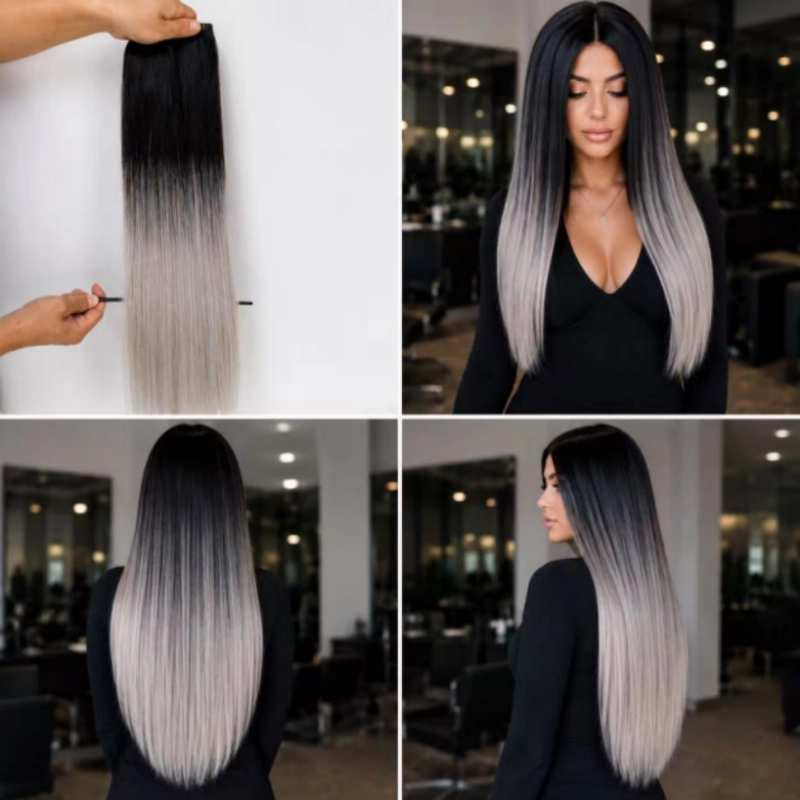
Picture shown dark black ombre grey hair extension.
Even high-quality extensions may produce poor results if the installation is incorrect. The following mistakes should be avoided.
Excessive tension can cause discomfort, breakage, and traction-related hair loss. Every attachment point should be secure without pulling the natural hair excessively.
The weight of the extensions should be appropriate for the client’s natural hair density and condition. More hair does not always mean a better result.
A mismatch between the natural hair and extensions can make the installation look unnatural. Check the color under suitable lighting and consider blended shades when necessary.
Rows placed too close to exposed areas may become visible when the client moves or changes hairstyles. Plan placement carefully and leave sufficient natural hair for coverage.
Some invisible wefts require specific cutting or finishing techniques. Cutting through an unsuitable area may damage the seam or increase shedding. Follow the manufacturer’s instructions.
Natural hair continues to grow after installation. Without suitable maintenance, attachment points may move away from the scalp, tangling may increase, and the weight distribution may become less appropriate.
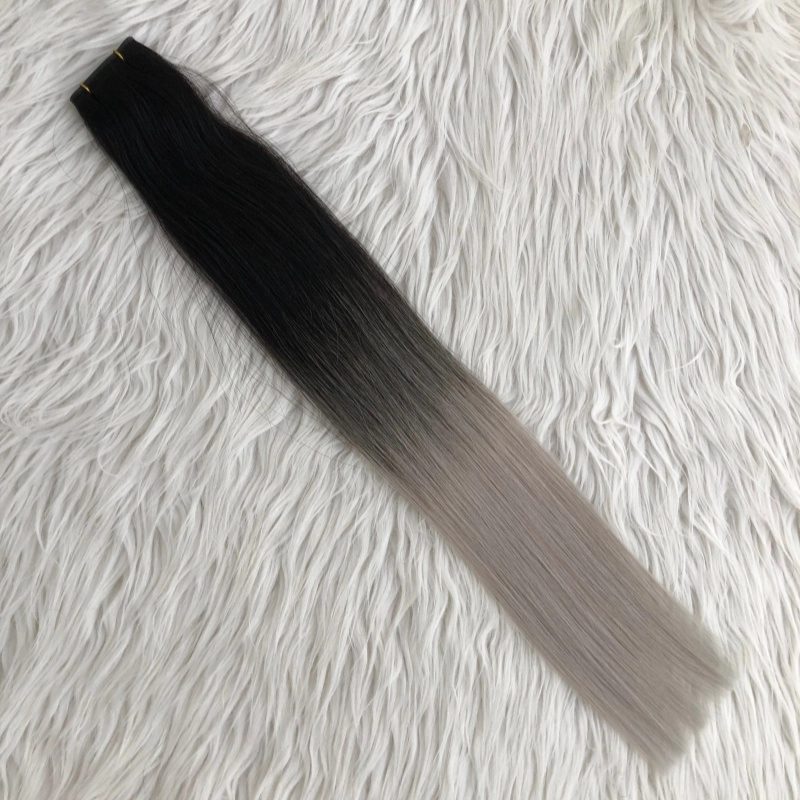
Picture shown seamless genius weft 100% human virgin hair.
Proper maintenance helps preserve the appearance and usability of invisible weft hair extensions.
Use a gentle shampoo and conditioner suitable for the hair type. Wash carefully, avoid aggressive rubbing around the attachment points, and rinse thoroughly.
Follow the supplier’s specific instructions, especially if the hair has been colored or chemically processed.
Detangle the hair gently, starting from the ends and working upward. Support the hair near the attachment area to reduce unnecessary pulling.
A suitable extension brush or wide-tooth comb may help, depending on the product and the stylist’s recommendations.
Gently remove excess water with a towel without rubbing the hair aggressively. Dry the roots and attachment area thoroughly to avoid leaving the row damp for extended periods.
Use moderate heat and suitable heat protection when blow-drying or styling.
Detangle the hair before bedtime and consider a loose braid or another protective style to reduce friction. Avoid sleeping with wet, tangled extensions.
Arrange regular professional checks according to the installation method and natural hair growth. The stylist should assess the anchor points, tangling, shedding, and the condition of the natural hair.
If the client experiences pain, persistent pulling, scalp irritation, or unusual hair breakage, the extensions should be assessed promptly by a qualified professional.
The lifespan of invisible weft hair extensions depends on the hair quality, construction, installation technique, maintenance, frequency of heat styling, and chemical processing.
High-quality human hair extensions may be reusable when they are handled and maintained correctly. However, the usable lifespan varies by product and should not be guaranteed by a single fixed number.
It is important to distinguish between the lifespan of the hair itself and the time an installation can remain in place before professional maintenance is required. The hair may remain usable after the original installation has been removed, provided the weft and hair remain in good condition.
For salons and wholesale buyers, consistent quality, appropriate hair selection, and clear aftercare instructions are important factors in achieving better long-term results.
Wholesale pricing for invisible weft hair extensions varies according to hair origin, grade, length, weight, color, processing, weft construction, order quantity, and customization requirements.
For example, longer hair generally costs more than shorter hair because it requires more suitable raw material. Premium Remy human hair, special rooted colors, and custom packaging may also increase the unit price.
The following table provides illustrative wholesale budgeting ranges in USD, rather than verified current supplier quotations. Prices are examples for planning purposes and should be confirmed with the manufacturer based on exact specifications.
| Hair Length | Illustrative Wholesale Price per 100g | Typical Buyer |
|---|---|---|
| 14 inches | $25–$45 | Budget-conscious salons |
| 16 inches | $30–$55 | Everyday salon services |
| 18 inches | $35–$65 | Professional extension salons |
| 20 inches | $40–$75 | Mid-range and premium salons |
| 22 inches | $50–$90 | Premium extension businesses |
| 24 inches | $60–$110 | High-end salons and retailers |
| 26 inches | $75–$135 | Premium and luxury hair brands |
Note: These are broad illustrative estimates for planning, not live market prices or a specific EMEDA quotation. Hair grade, color processing, construction, and supplier specifications can result in prices outside these ranges.
Order quantity can influence the final price because larger orders may reduce per-unit packaging, handling, and production costs. However, discounts depend on the product specification and manufacturing requirements.
| Order Quantity | Illustrative Pricing Approach | Recommended Buyer |
|---|---|---|
| 1–5 pieces | Sample or small-order pricing | New salons testing quality |
| 6–20 pieces | Standard wholesale pricing | Independent salons |
| 21–50 pieces | Potential volume discount | Growing salons and resellers |
| 51–100 pieces | Negotiated bulk pricing | Established distributors |
| 100+ pieces | Customized quotation | Wholesale brands and importers |
For an accurate quotation, buyers should provide the required hair length, color, weight per piece, total quantity, preferred hair grade, packaging needs, and destination country.
When comparing suppliers, avoid evaluating price alone. Check whether quotations cover the same hair quality, length, weight, weft construction, and packaging. A lower price per piece may not represent better value if the specifications differ.
Not all human hair extensions offer the same performance. Buyers should understand the differences between common quality categories before placing bulk orders.
| Hair Category | Main Characteristics | Relative Wholesale Cost |
|---|---|---|
| Standard human hair | May include more processing or mixed hair characteristics | Lower |
| Remy human hair | Cuticles are generally aligned in the same direction to help reduce tangling | Medium to high |
| Premium Remy human hair | Selected for more consistent quality, texture, and appearance | High |
| Virgin human hair | Generally refers to hair that has not undergone chemical processing before collection or sale; supplier definitions should be verified | High to premium |
| Custom-colored premium hair | Requires additional color matching or processing | Depends on color and processing |
These categories are not universally standardized across suppliers. Buyers should request clear product specifications, real product photographs or videos, and samples before committing to a large order.
For professional businesses, sample testing is particularly valuable. Test the hair’s softness, shedding, tangling, color consistency, and performance during washing and styling before approving bulk production.
Selecting a dependable manufacturer is essential for salons, distributors, and private-label brands that need consistent product quality and reliable supply.
An experienced manufacturer should understand different hair types, weft constructions, color requirements, and installation applications.
Ask whether the supplier manufactures the products directly or sources them from other companies. Direct manufacturing may offer better communication and more flexibility for customized orders.
Before placing a large order, test samples under realistic salon conditions.
Evaluate:
For brands selling under their own names, customization can be a major advantage. Confirm whether the manufacturer can support specific lengths, colors, weights, textures, labels, packaging, and other branding requirements.
A professional supplier should have a defined quality inspection process. Ask how the manufacturer checks hair quality, color, length, weight, weft construction, and order specifications before shipment.
Clear pre-shipment communication, including photographs or videos where appropriate, can help buyers verify product details before dispatch.
Reliable communication is important when managing repeat orders, product customization, and shipping schedules. Buyers should confirm production lead times, packaging details, shipping options, payment terms, and after-sales procedures in advance.
Picture shown the invisble weft before and after look.
EMEDA Hair is a professional hair manufacturer with 20 years of hair manufacturing experience, serving salons, distributors, wholesalers, and private-label hair brands.
For businesses looking to develop or expand an invisible weft hair extension collection, EMEDA focuses on product selection, customization, wholesale supply, and manufacturing support.
With two decades of manufacturing experience, EMEDA understands the importance of product consistency, clear specifications, and quality control for professional hair businesses.
Whether you are testing a new product or preparing a larger wholesale order, communicating your requirements clearly helps us recommend suitable options.
EMEDA specializes in 100% Remy human hair extensions and offers options for different business needs.
Buyers can discuss their preferred hair quality, lengths, colors, weights, and product specifications to identify the most suitable choice for their market.
EMEDA supports private-label development for businesses that want to build their own hair extension brands.
Depending on product availability and order requirements, customization options may include:
Please confirm the available invisible weft construction and customization options with our team before placing an order.
EMEDA offers wholesale supply and selected ready-to-ship hair products. Availability depends on the specific product, color, length, and quantity required.
If you need stock for an upcoming salon service or retail launch, share your requirements so our team can check the available options and estimated delivery schedule.
We recommend evaluating samples before committing to a large order, particularly when developing a new product line or private-label collection.
Sample testing allows buyers to assess hair quality, color, texture, weft construction, and overall suitability for their customers.
EMEDA emphasizes quality inspection and product confirmation before shipment. Depending on the order, photographs or videos can be provided to help confirm the product specifications.
Our team can also discuss suitable product options, wholesale quantities, packaging requirements, and shipping arrangements.
If you are interested in purchasing invisible weft hair extensions wholesale from EMEDA Hair, preparing the following information will help us provide a more accurate quotation.
| Information Required | Example |
|---|---|
| Hair type | 100% Remy human hair |
| Hair length | 18, 20, or 22 inches |
| Hair color | Natural black, dark brown, blonde, or custom color |
| Weight per piece | 50g or 100g, depending on the product |
| Quantity | Sample order or bulk order |
| Weft construction | Invisible weft; confirm the required design |
| Packaging | Standard packaging or private label |
| Destination | Country of delivery |
Our team can then confirm product availability, exact specifications, pricing, minimum order requirements if applicable, production time, and shipping options.
If you are developing a new hair extension brand, we recommend starting with samples and testing them before scaling up to bulk purchasing.
Invisible weft hair extensions offer an appealing solution for clients who want natural-looking length, additional volume, and discreet attachment points. However, successful results depend on the right product, careful installation, suitable weight distribution, accurate color matching, and ongoing maintenance.
For salon professionals, learning the correct installation procedure is essential for achieving a comfortable and natural-looking finish. For wholesalers and private-label brands, choosing a reliable manufacturer is equally important for maintaining product consistency and customer satisfaction.
Choose EMEDA Hair as your manufacturing partner for invisible weft hair extensions and other human hair extension products. With 20 years of manufacturing experience, 100% Remy human hair options, private-label customization, and wholesale support, EMEDA can help you explore suitable products for your business.
Contact EMEDA Hair today with your preferred lengths, colors, weights, and estimated order quantity to request a customized wholesale quotation and sample options.
Dont hesitate to Contact EMEDA Hair Factory:
 WhatsApp: +8618562611500
Email: sales11@emedahair.com